
At Vinings Surgery & Hair Restoration Center, we provide many cosmetic enhancement solutions, including plastic surgery, breast augmentation, and hair restoration services. Contact us today to schedule a free consultation!
Plastic surgery is a versatile solution for highlighting and enhancing your natural appeal. View all of our procedures today to find one of the best cosmetic surgery and non-surgical solutions for your needs.
Breast augmentation utilizes gel or saline implants to create the desired shape, size, and fullness of the breasts. Learn more about breast implant surgery today!
The ARTAS robot precisely takes graft dissections from your scalp and reallocates them with advanced speed and precision. Learn more about our hair transplant for men and women today.
We offer several non-surgical solutions, including BOTOX®, JUVEDERM®, and skin care treatments. Learn more about our services today.
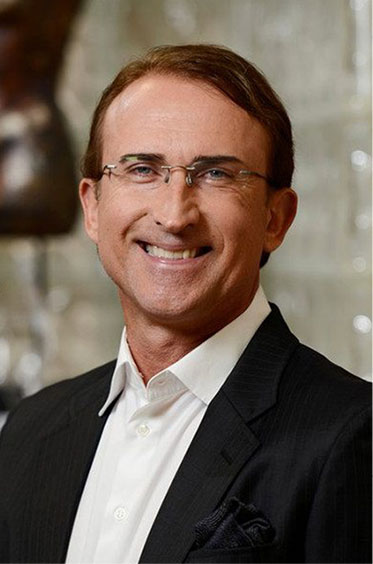
Robert A. Colgrove, Jr., M.D. is a board-certified plastic surgeon who understands that each patient is unique. Whether you wish to restore a youthful facial appearance, increase breast size, or create beautiful body contours, he works to enhance your appearance with skill and a keen sense of aesthetics.
Dr. Colgrove recognizes that plastic surgery is an art that requires an attention-to-detail to deliver outstanding surgical results. He draws upon his vast experience to provide surgical enhancements that are tailored to your individuality and unique beauty.
He has an impeccable reputation, many loyal patients, and is well regarded in the healthcare industry due to his dedication. Learn more about one of the best plastic surgeons in Georgia, today.
Explore our gallery now to discover the unparalleled results that Dr. Colgrove provides for his patients.
Absolutely incredible first rate experience with true professionals! As a doctor myself, I only wanted to go to the best and word-of-mouth from colleagues and reviews led me to Dr. Colgrove and his team. They made me comfortable throughout the day and they were extremely thorough, communicative, experienced and lived up to my very high expectations. I can’t recommend them highly enough.
I have only heard great things about Dr. Colgrove and Vinings Surgery Center. I traveled from Ohio to Vinings in Georgia and it was the best decision I could have made regarding my breast augmentation. Prices are extremely reasonable for a Board Certified Surgeon with 30+ years in the game. The staff is so nice and welcoming! They really care about your well-being pre and post operation.
Dr. Colgrove is excited to meet you, learn about your goals, and tailor a cosmetic solution to meet your needs. Complete the contact form below to schedule a consultation!
1900 The Exchange SE
Bldg 300, Ste 300
Atlanta, GA 30339
770.955.9000